
About South Africa
South Africa sits at the southern tip of the continent, where the Atlantic and Indian Oceans meet. It is a country of enormous range: big-game reserves in the northeast, a dramatic mountain spine down the east, vineyards and fynbos around the Cape, and a coastline that runs for roughly 2,800 kilometres. Eleven spoken languages share official status alongside sign language, and that mix shows up in the food, the music and the street life of every city.
- Capital: Three capitals, Pretoria (executive), Cape Town (legislative) and Bloemfontein (judicial)
- Official Languages: 12, including English, Afrikaans, isiZulu, isiXhosa and South African Sign Language
- Currency: South African Rand (ZAR)
- Best Time to Visit: May to September for the best wildlife viewing, and November to March for the Cape beaches and summer weather
Top Places to Visit in South Africa
Cape Town
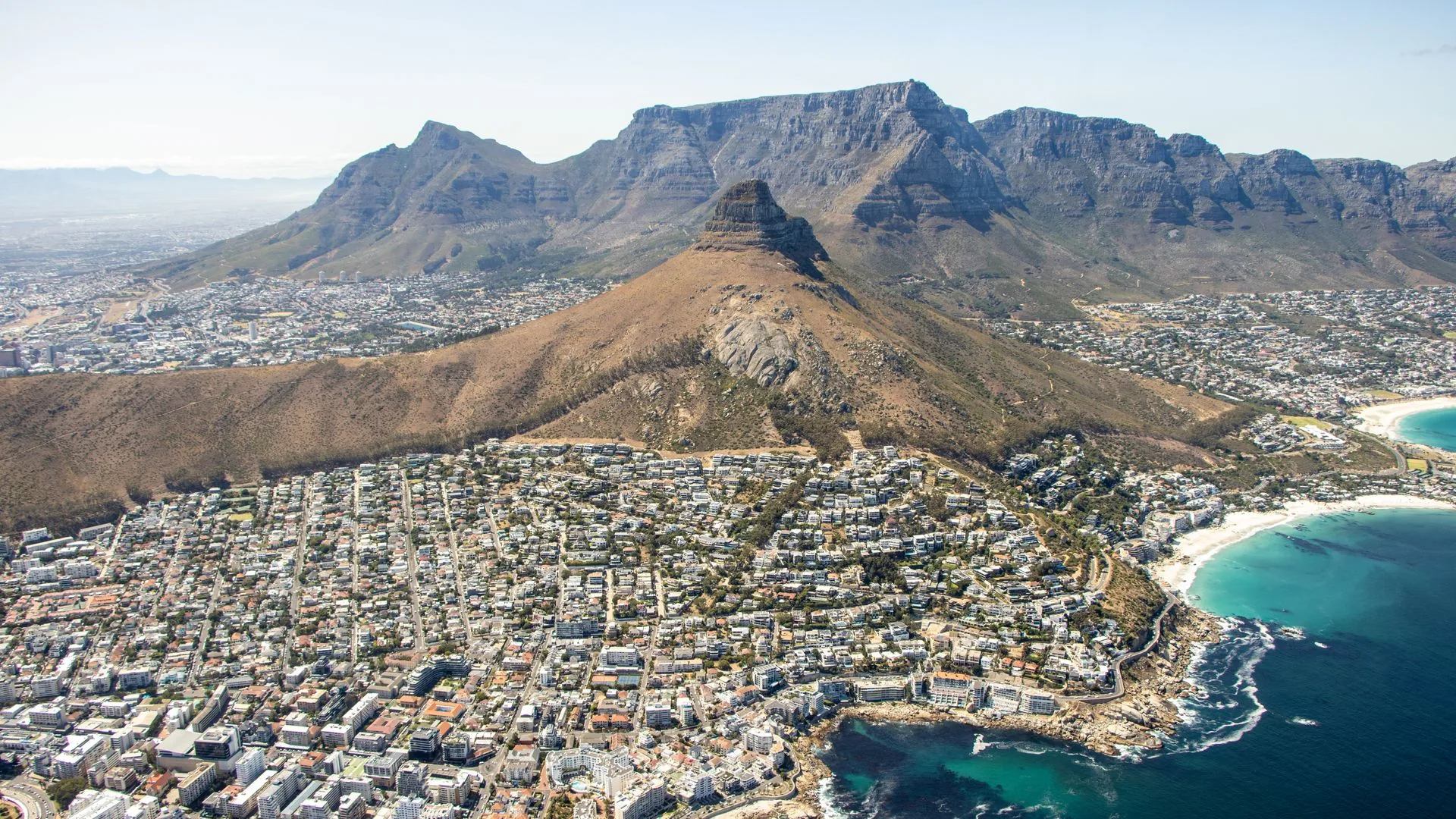
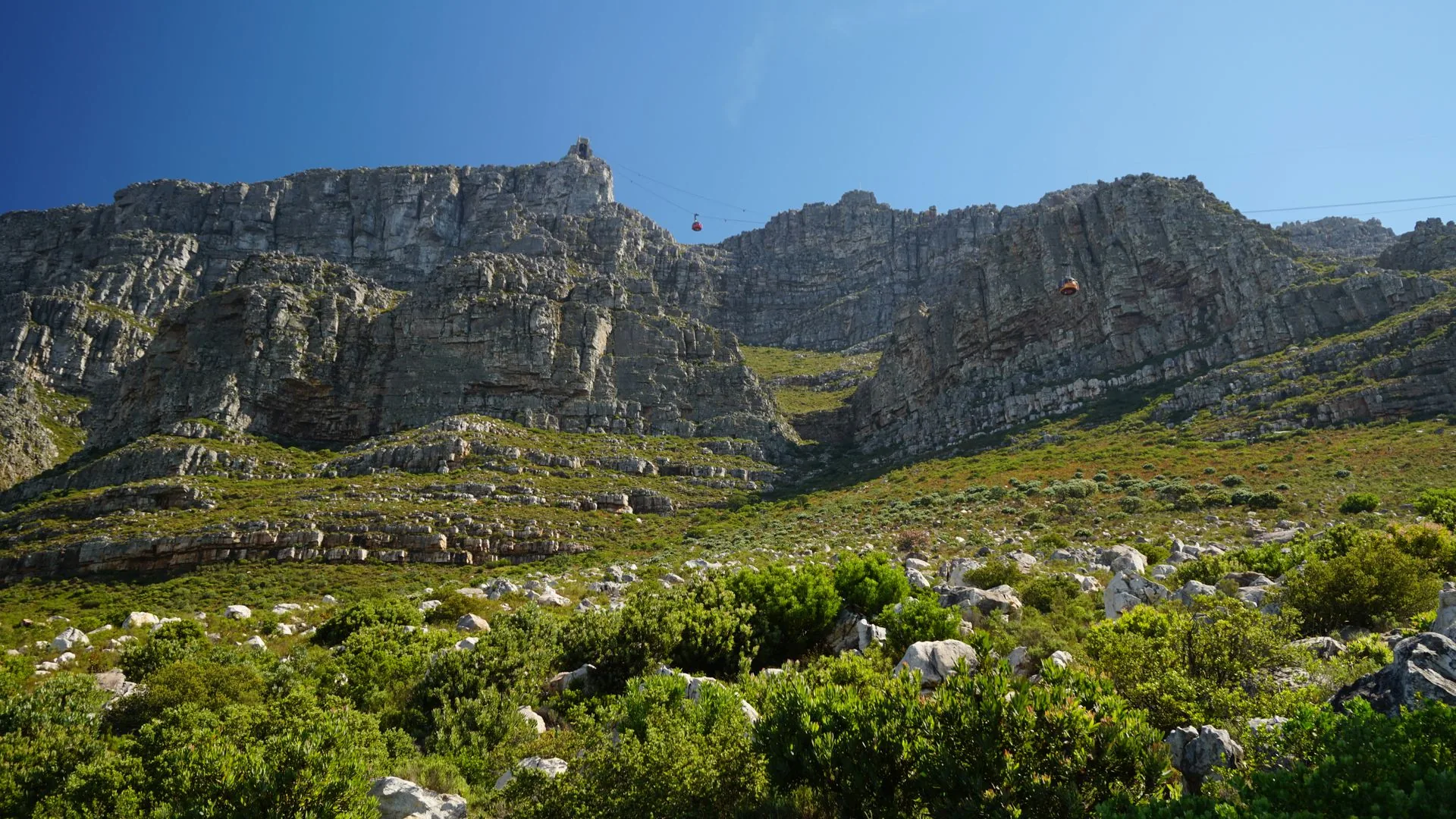
One of the most spectacularly sited cities anywhere, wrapped around Table Mountain with beaches on both sides. Ride the rotating cable car to the summit, walk the V&A Waterfront, and set aside a day for Robben Island. The Bo-Kaap quarter and its painted houses are worth the climb on foot.
Highlights
- Table Mountain cable car and summit walks
- Robben Island and the Nelson Mandela exhibits
- Bo-Kaap and the V&A Waterfront
- Camps Bay and Clifton beaches
Kruger National Park
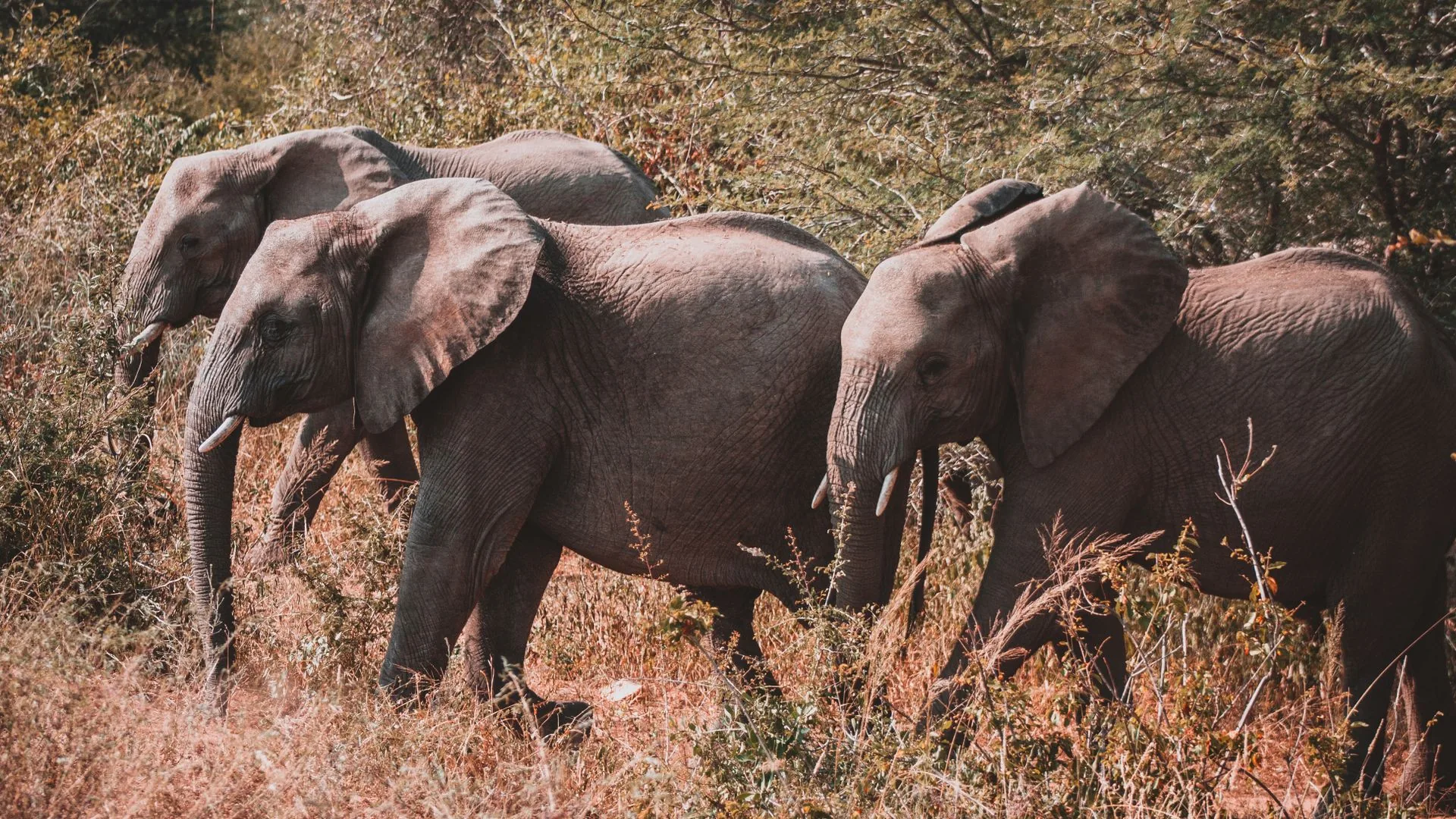
South Africa’s flagship reserve and one of the great wildlife destinations on earth, covering an area roughly the size of Wales. All of the Big Five live here, and the park is unusual in that you can drive it yourself on sealed roads rather than relying solely on guided vehicles.
Highlights
- Self-drive and guided game drives
- The Big Five: lion, leopard, rhino, elephant and buffalo
- Rest camps and private concessions on the western edge
The Garden Route
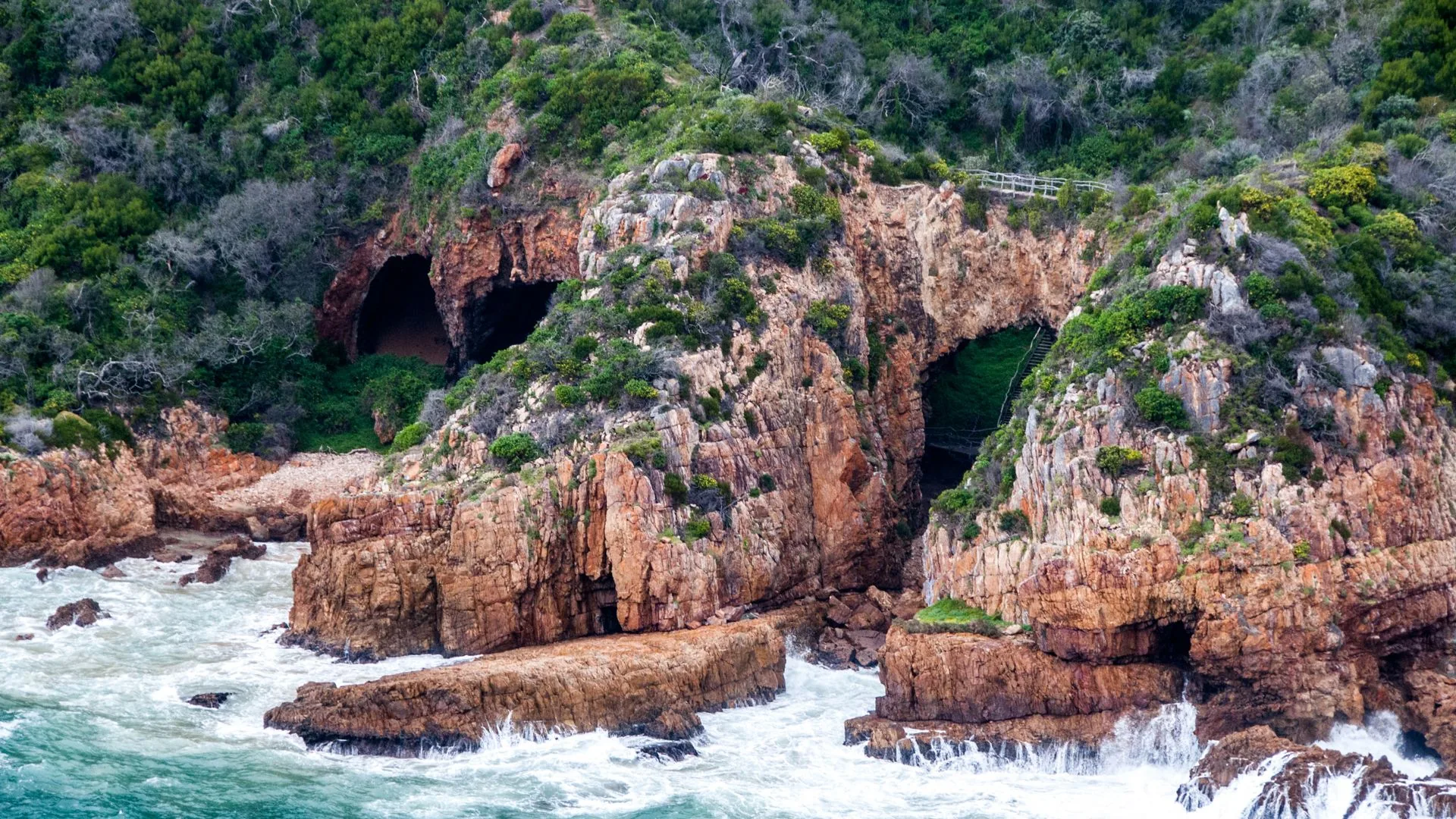
A coastal drive of about 300 kilometres between Mossel Bay and Storms River, threading lagoons, indigenous forest and sandstone cliffs. Knysna and its sea-facing Heads are the usual centrepiece, with Plettenberg Bay and Tsitsikamma National Park either side.
Highlights
- The Knysna Heads and lagoon
- Tsitsikamma National Park and its suspension bridges
- Plettenberg Bay beaches and whale watching
Blyde River Canyon and the Panorama Route
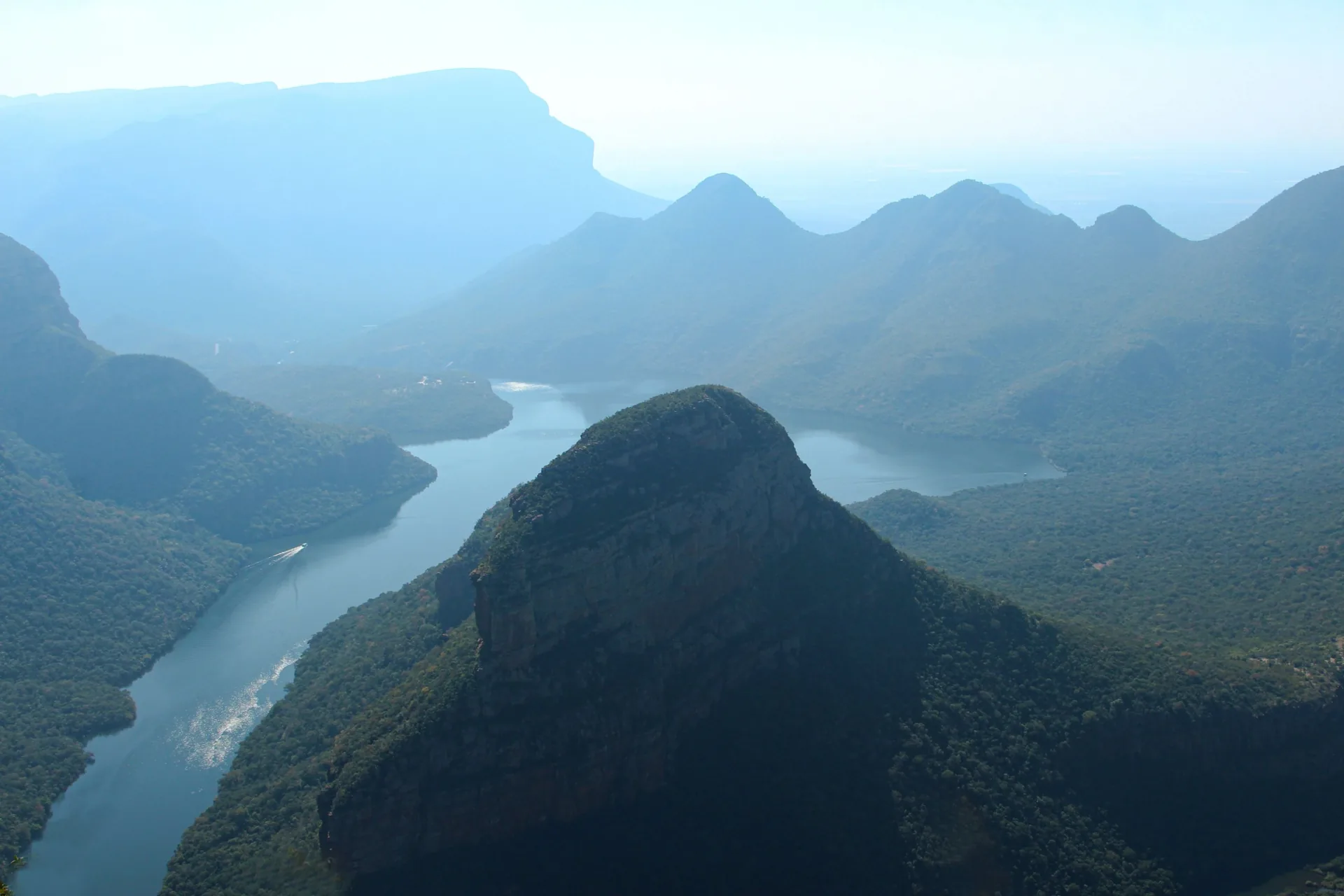
One of the largest green canyons in the world, carved through red sandstone and covered in subtropical growth rather than bare rock. The Panorama Route strings together the best viewpoints and pairs naturally with a Kruger trip, since both sit in Mpumalanga.
Highlights
- Three Rondavels and God’s Window viewpoints
- Bourke’s Luck Potholes
- Boat trips on the Blyde Dam
The Drakensberg Mountains
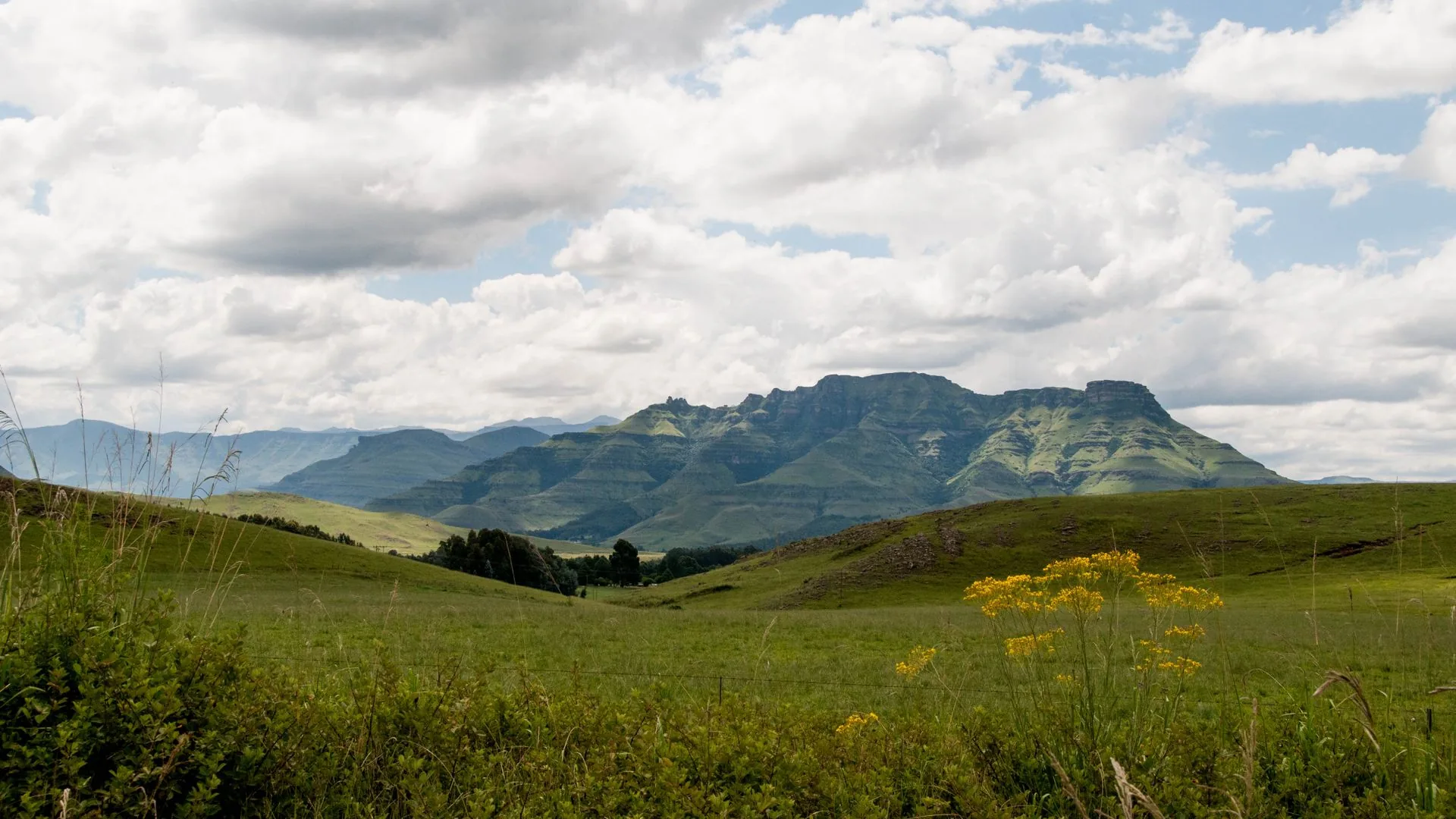
A basalt escarpment running along the eastern edge of the country, rising to over 3,400 metres. It is the best hiking country in South Africa, and the caves of the uKhahlamba-Drakensberg Park hold thousands of San rock paintings, some of them several thousand years old.
Highlights
- Amphitheatre and Tugela Falls
- San rock art sites
- Day hikes and multi-day trails
Boulders Beach and the Cape Peninsula
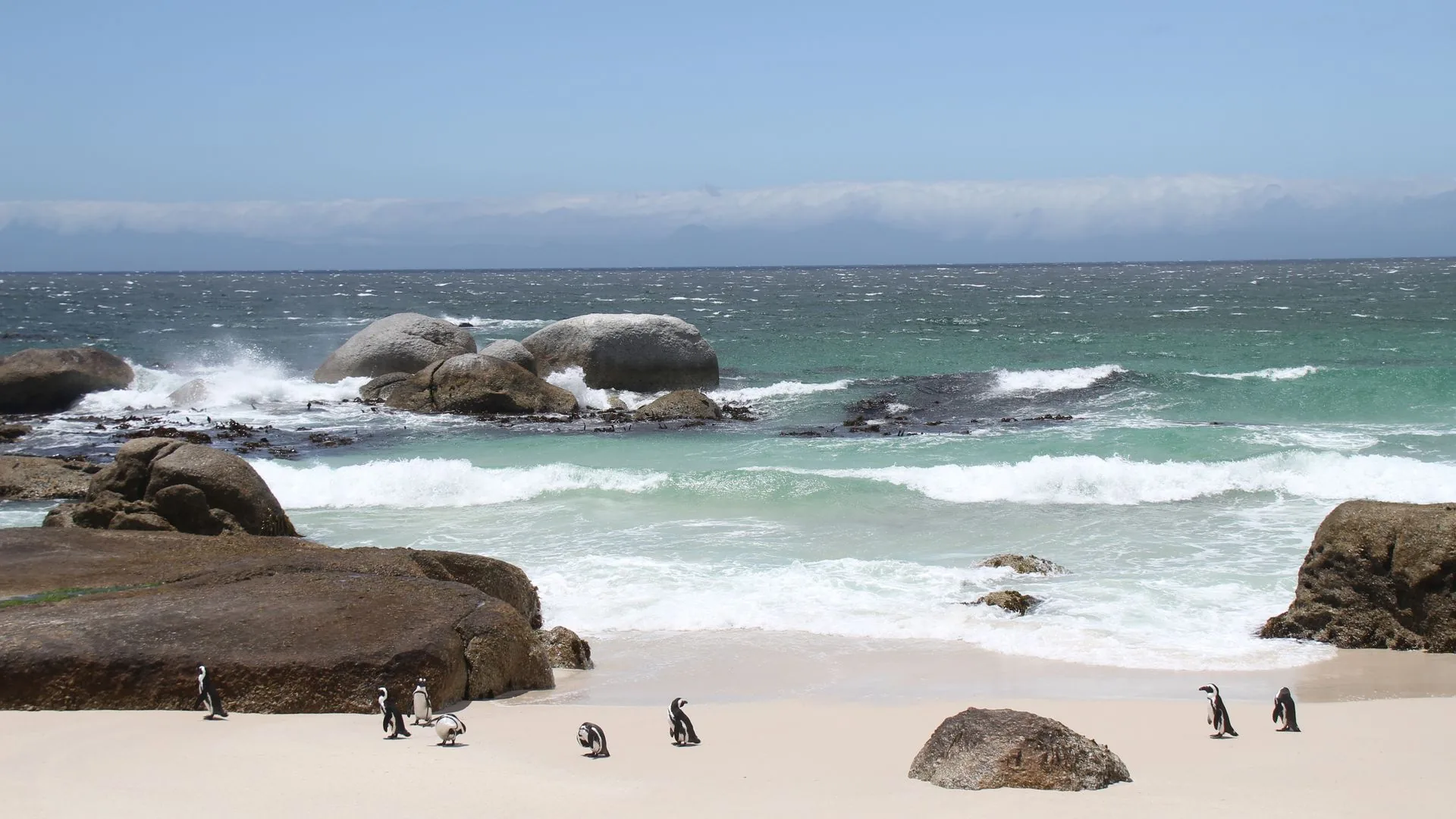
A sheltered cove near Simon’s Town that is home to a colony of African penguins, viewed from boardwalks that keep visitors off the nesting areas. It pairs with a drive down to Cape Point and back along Chapman’s Peak, one of the finest coastal roads in the world.
Highlights
- African penguin colony boardwalks
- Cape Point and the Cape of Good Hope
- Chapman’s Peak Drive
Durban and the KwaZulu-Natal Coast
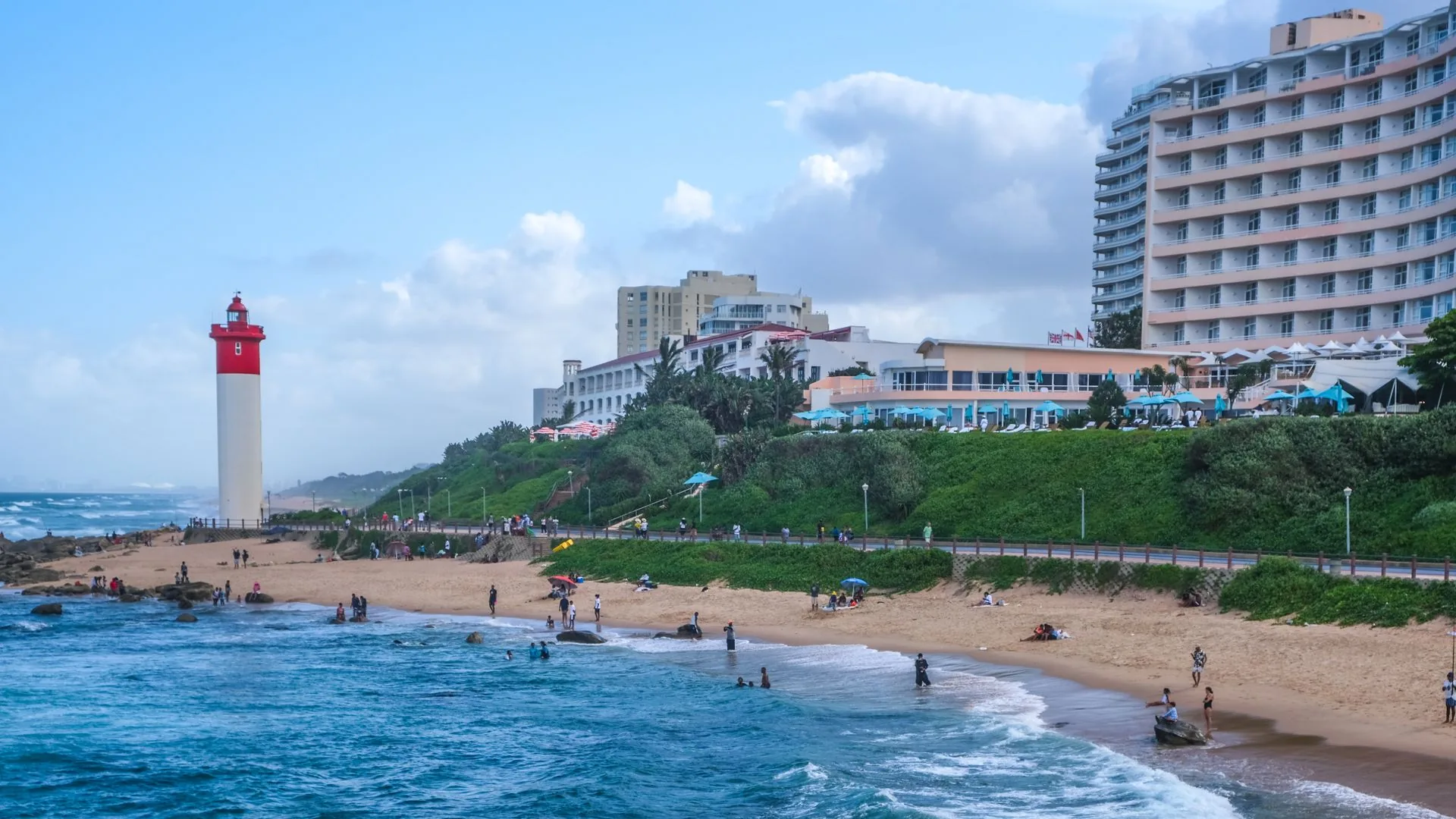
Warm Indian Ocean water year round and the country’s best surf. Durban has the largest Indian population of any city outside India, which makes its curry houses and the bunny chow worth the trip on their own. Umhlanga, just north, is the calmer beach base.
Highlights
- The Golden Mile beachfront promenade
- Umhlanga lighthouse and pier
- Durban curry and bunny chow
Johannesburg
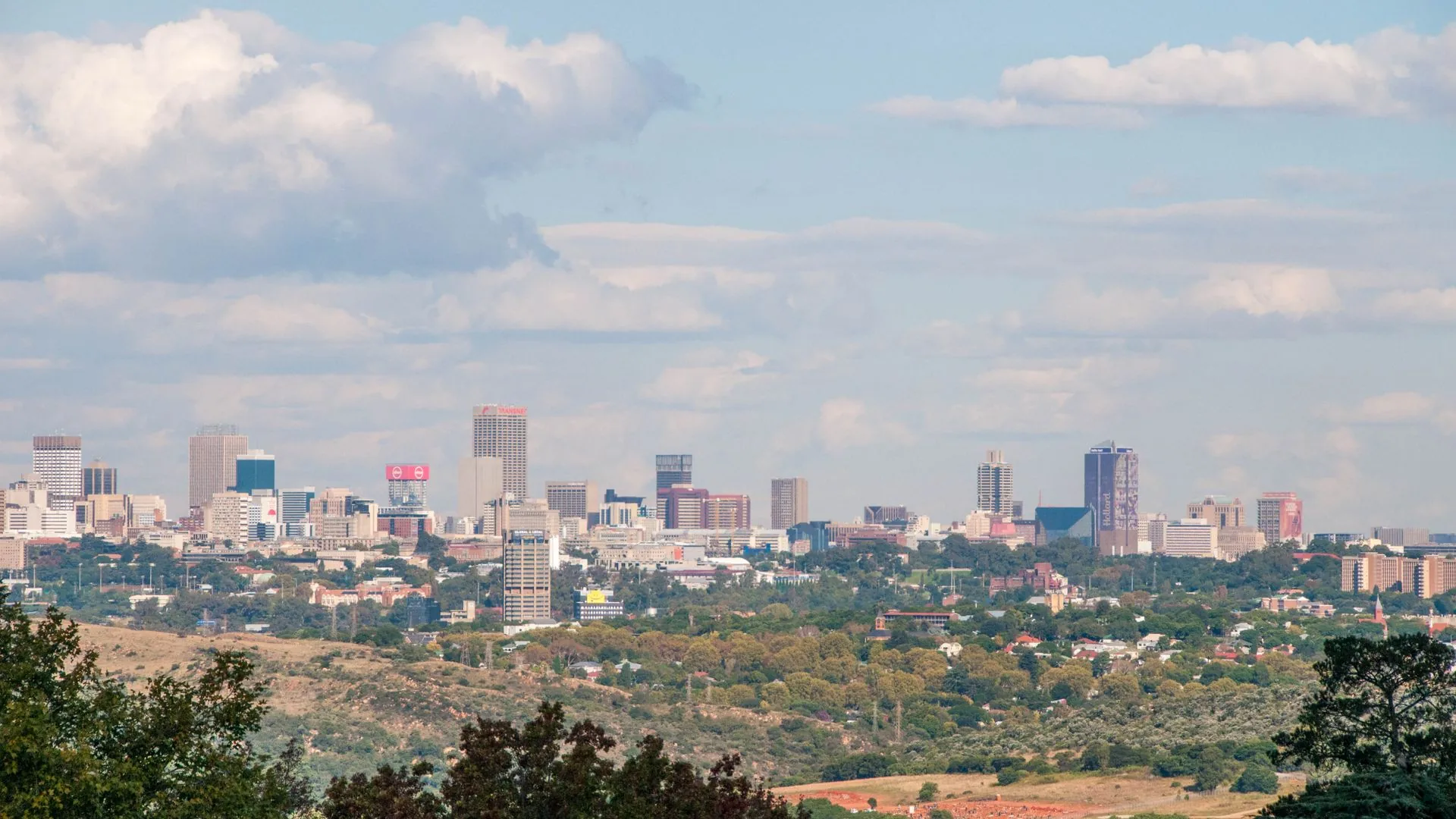
The economic engine of the country and the usual entry point for Kruger trips. Most visitors come for the history: the Apartheid Museum is one of the best-designed museums anywhere, and Soweto tours take in the Hector Pieterson Memorial and Vilakazi Street.
Highlights
- Apartheid Museum and Constitution Hill
- Soweto and Vilakazi Street
- Maboneng and Braamfontein districts
- The Cradle of Humankind day trip
Stellenbosch and the Cape Winelands
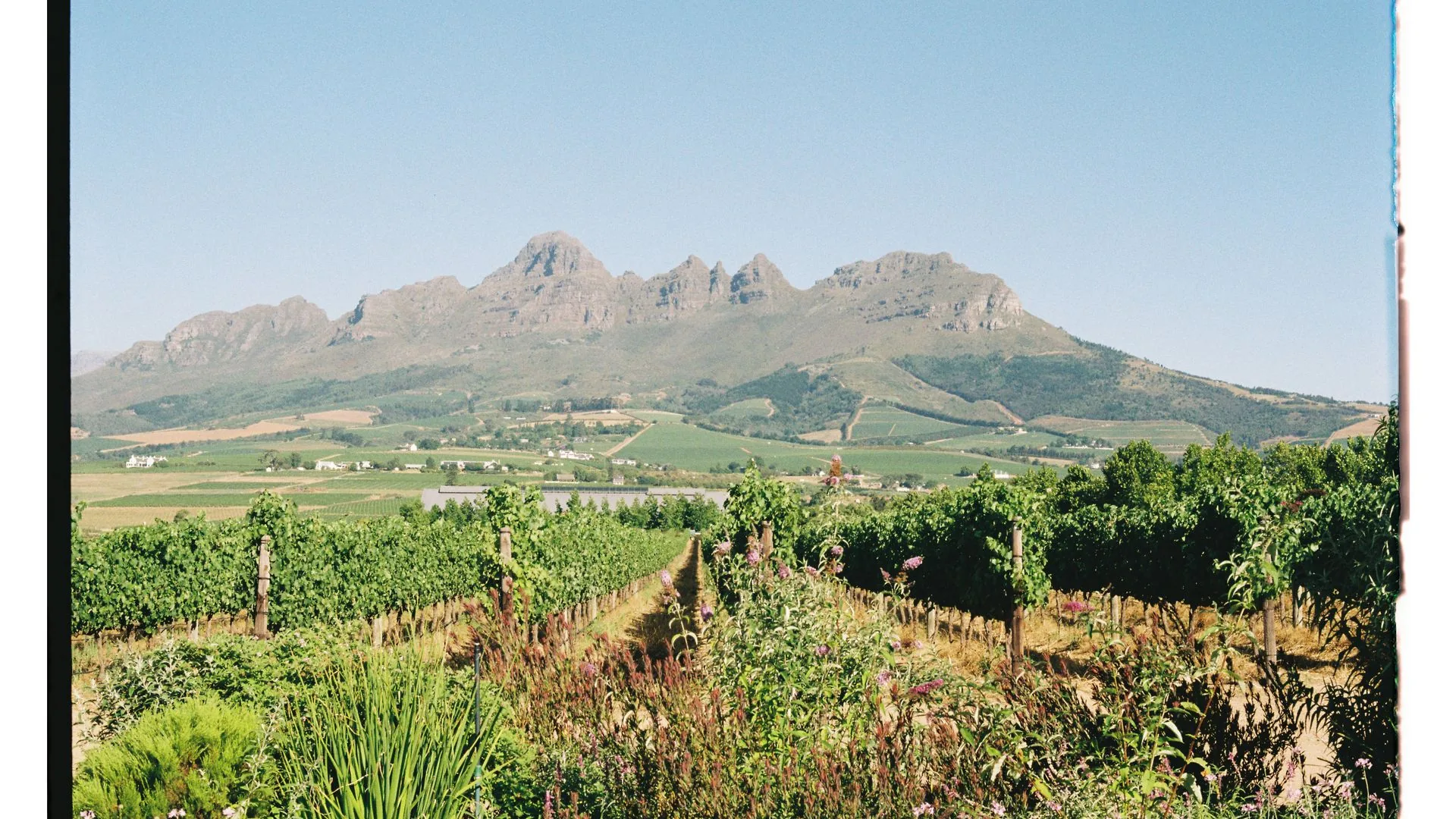
Under an hour from Cape Town, a belt of valleys producing some of the best value wine in the world. Stellenbosch pairs oak-lined Cape Dutch streets with hundreds of estates, while Franschhoek leans towards fine dining and runs a hop-on wine tram between its cellars.
Highlights
- Stellenbosch estates and Cape Dutch architecture
- Franschhoek wine tram
- Chenin blanc, pinotage and Cap Classique tastings
Why Visit South Africa
Few countries pack this much variety into one trip. You can track rhino at dawn in Kruger, be on a Cape Town beach two days later, and spend the evening in a Stellenbosch cellar, all without leaving the country or changing currency. It is also one of the most affordable long-haul destinations going, with excellent food and wine at a fraction of European prices, strong road infrastructure for self-drive travel, and English spoken almost everywhere. Add wildlife that genuinely rivals anywhere in Africa and a history that the country confronts openly in its museums, and South Africa rewards a longer stay than most visitors plan for.